
Starting school · Kids Planet
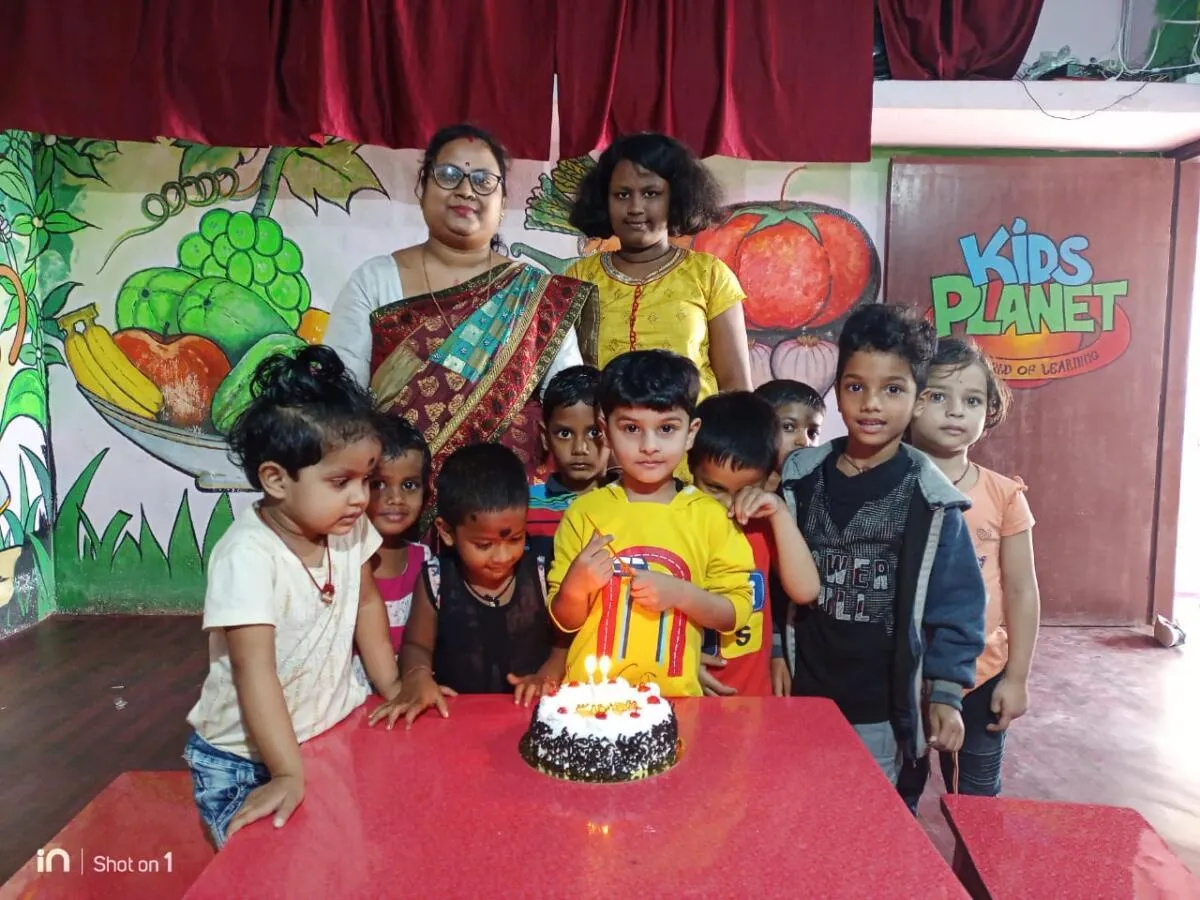
Starting play school is a big change in a small child’s day. Even an enthusiastic child may cry at drop-off, become quiet after school or need extra help with ordinary tasks. These reactions are not a sign that the decision is wrong. Children are learning a new place, new adults, a group routine and a short separation from the people they trust.
Begin with a school visit
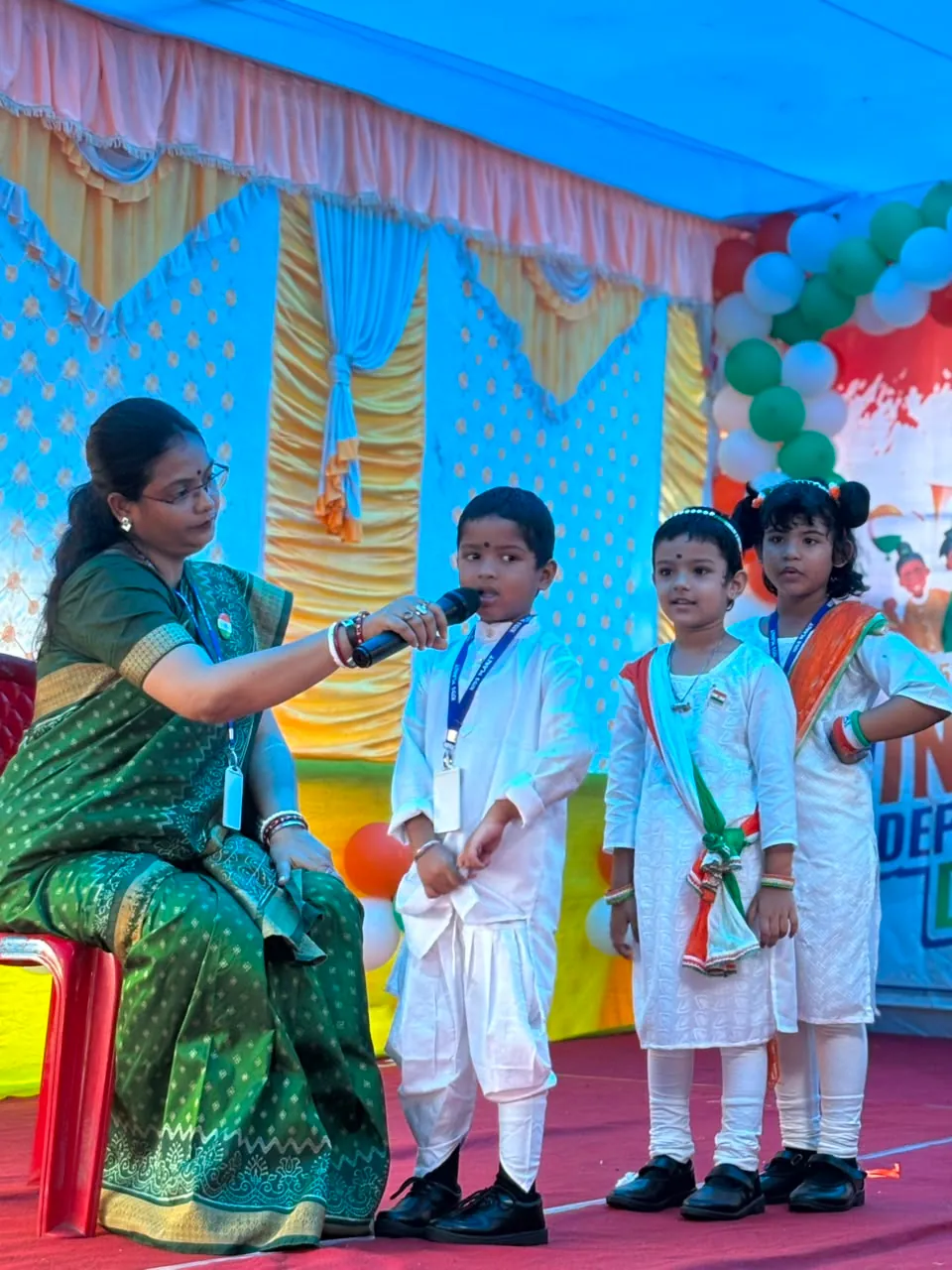
Before the first day, visit the school if possible. Show your child the entrance, classroom, play area and handover point. Let them hear the teacher’s voice and see that you return after a visit. NAEYC transition guidance highlights the value of helping families become familiar with the building, people and activities before a new start. Ask the school how arrivals work, who receives children and how parents will be updated.
Practise the morning sequence
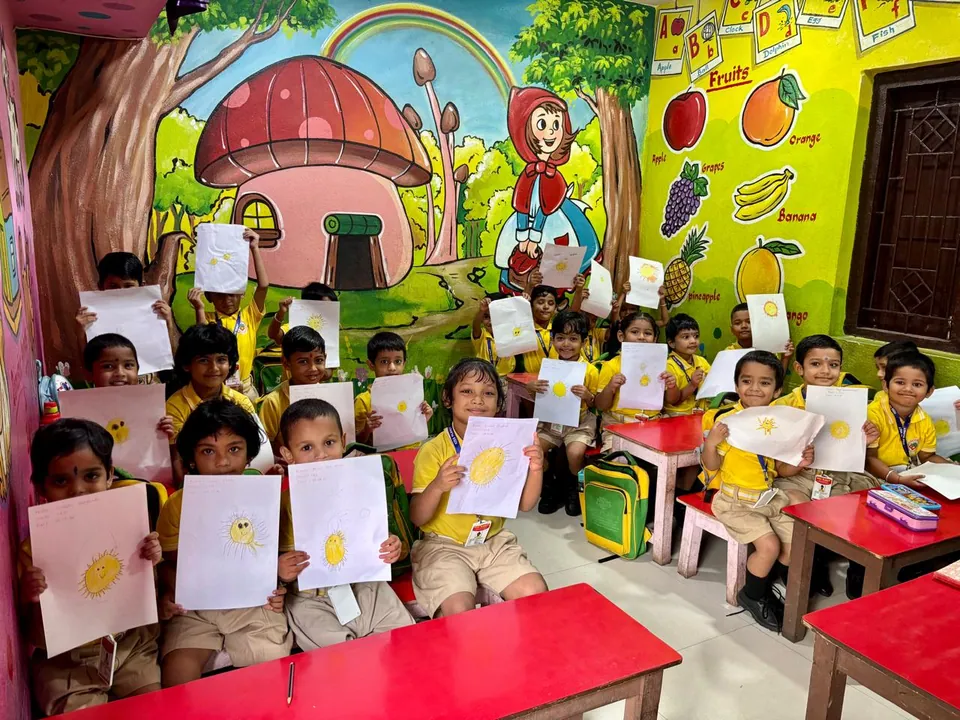
Children cope better when the order of the morning is familiar. For one or two weeks, practise waking, using the toilet, washing hands, getting dressed, eating breakfast and carrying a bag. Do not make practice feel like an exam. A picture checklist can help: toilet, clothes, breakfast, shoes, bag, goodbye. Keep bedtime consistent enough that your child is not beginning the day overtired.
Rehearse the first few minutes through play
Use a toy or stuffed animal to act out arriving, greeting a teacher, choosing an activity and saying goodbye. Let your child decide what the toy might feel and what could help. Keep the pretend version short and cheerful; it is a chance to make the sequence familiar, not to promise that the real day will go exactly the same way. If your child raises a worry, listen first and answer with simple, truthful details you have confirmed with the school.
Build independence in small steps
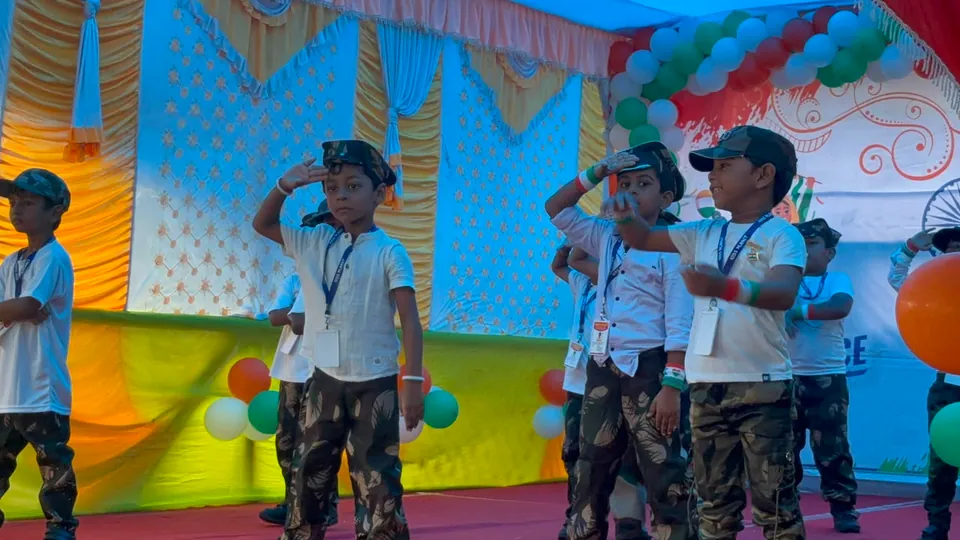
Choose two useful skills rather than trying to teach everything at once. Your child might practise opening a water bottle, putting shoes in a place, telling an adult “I need help,” or putting a toy back. Label belongings and tell the teacher what your child can already do. Children do not need to be perfectly independent; they need safe opportunities to try.
Talk honestly and positively
Use simple sentences: “You will play, have a snack if arranged, and I will come back after school.” Avoid saying “You won’t cry” or “There is nothing to be scared of,” because those promises can make normal feelings feel like failure. Read stories about starting school and invite questions. If your child asks whether you will leave, answer clearly instead of sneaking away.
Make goodbye short and predictable
Create the same goodbye each day: one hug, one sentence and a handover to the teacher. A longer goodbye often increases uncertainty. If your child cries, acknowledge the feeling: “You are sad. Your teacher is here and I will return.” Then allow the teacher to continue the transition. Ask the school what approach they use; consistency between home and classroom matters.
Pack thoughtfully and share useful details
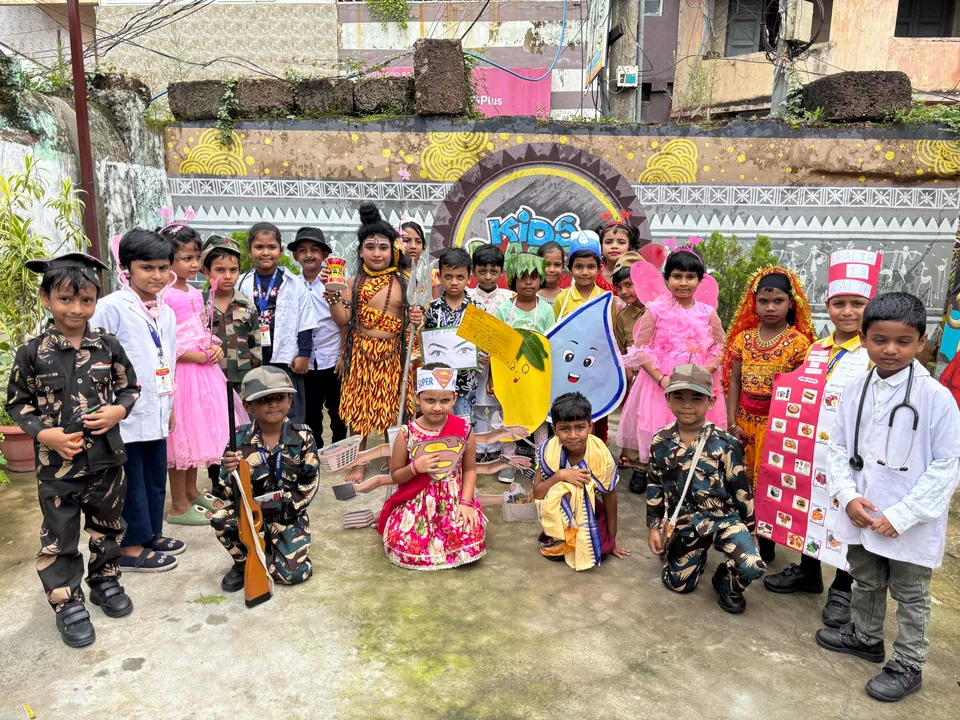
Follow the school’s list and label essential items. Share information about sleep, allergies, comfort objects, language, toileting and what usually helps your child calm down. Tell the teacher about interests they can use to invite connection, such as cars, animals, music or drawing. After school, ask one specific question—“What did you play?”—rather than demanding a full report from a tired child.
Give the adjustment time
Settling is not a race. Some children join quickly; others watch quietly before participating. Look for gradual progress: entering with less support, accepting a teacher’s help, joining one activity or talking about a classmate. If distress remains intense, affects sleep or appetite, or becomes worse rather than better, speak with the school and your child’s paediatrician. Kids Planet offers Preschool / Playgroup, Nursery, LKG and UKG for ages 2–6; families can review class ages and admission steps before arranging a visit.
For more transition ideas, see NAEYC’s guidance on supporting transitions.