
Preschool & daycare · Kids Planet
In brief: Preschool centres on early learning and group experiences; daycare provides supervised care for a longer part of the day. Some schools offer both. Ask the centre to walk you through the actual daily schedule, handovers and care arrangements.
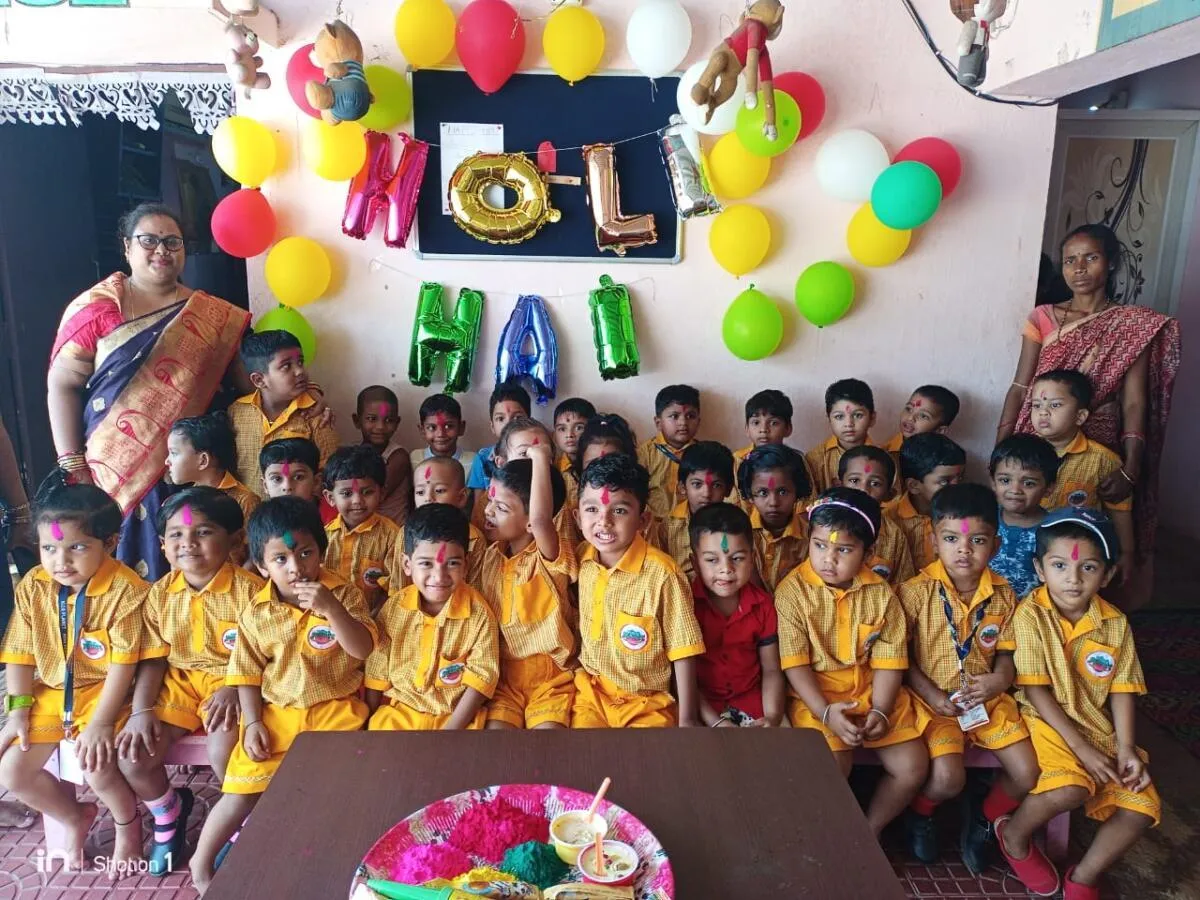
The words “preschool” and “daycare” are sometimes used together, but they describe different parts of a young child’s day. Knowing what each typically means can help parents compare centres, especially when they need both an early learning session and care around work or travel.
What preschool usually includes
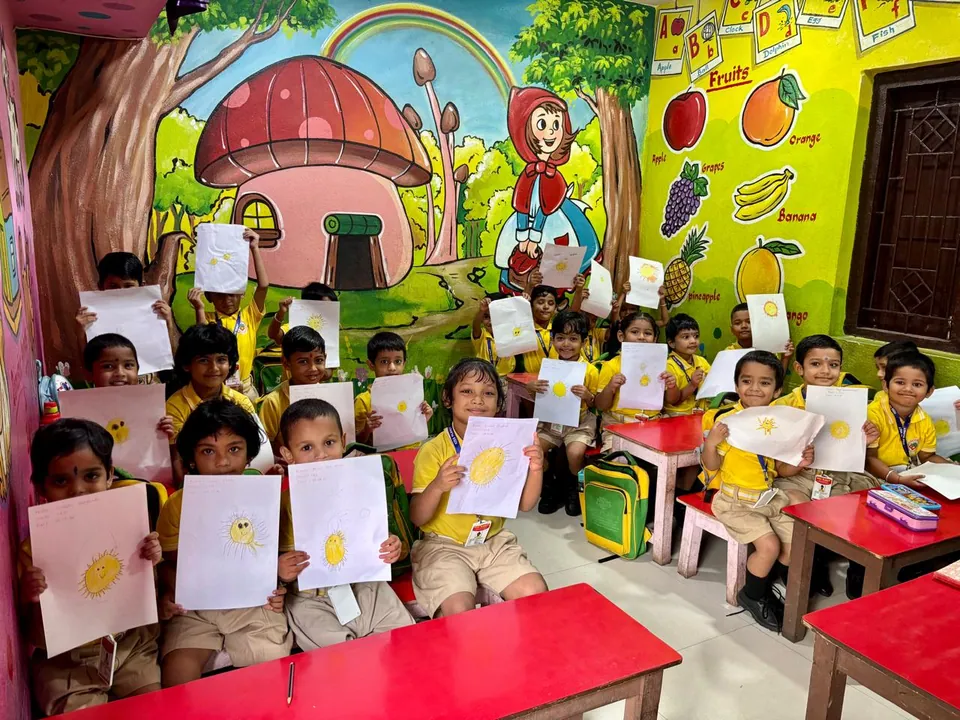
Preschool introduces children to a group learning environment through play, stories, songs, movement, creative activities and familiar routines. Educators create opportunities for children to use language, explore early number ideas, practise turn-taking and grow more confident doing small tasks. The aim is not a long stretch of formal lessons. A good visit should help you understand what children actually do and how adults join, guide and supervise their play.
What daycare usually includes
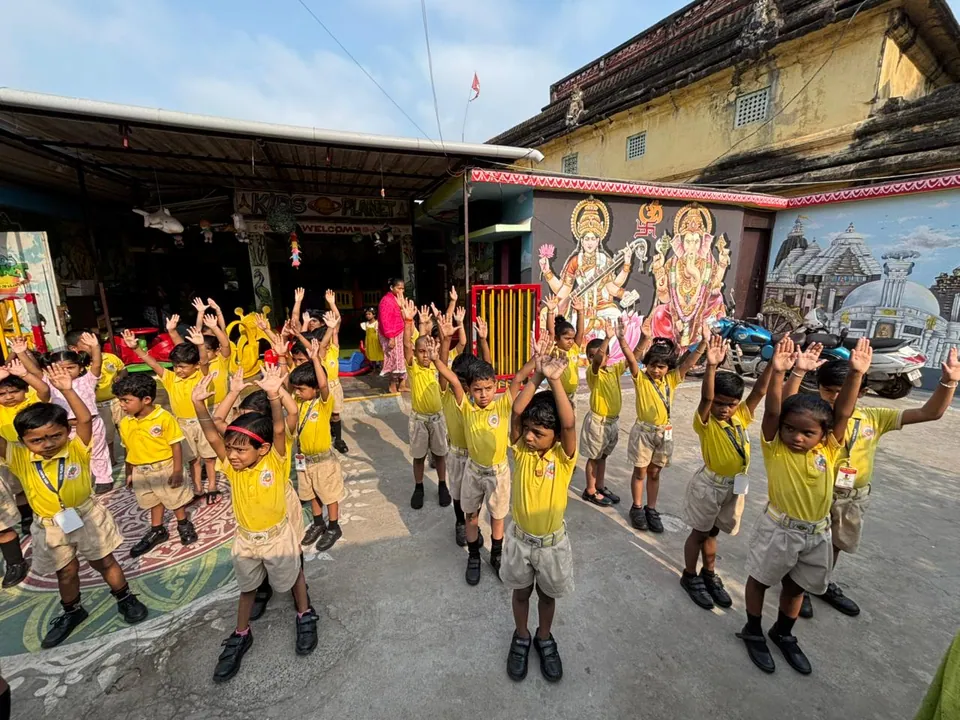
Daycare provides supervised care over a longer period, often before or after a preschool session. The routine may include active play, quieter choices, rest and regular communication with families. Arrangements differ between centres, so ask what children do during the full day, where they rest, how toileting and handovers work, and what families need to provide. Confirm meals, transport, operating days, holidays and fees directly; these are not standard everywhere.
When families combine preschool and daycare
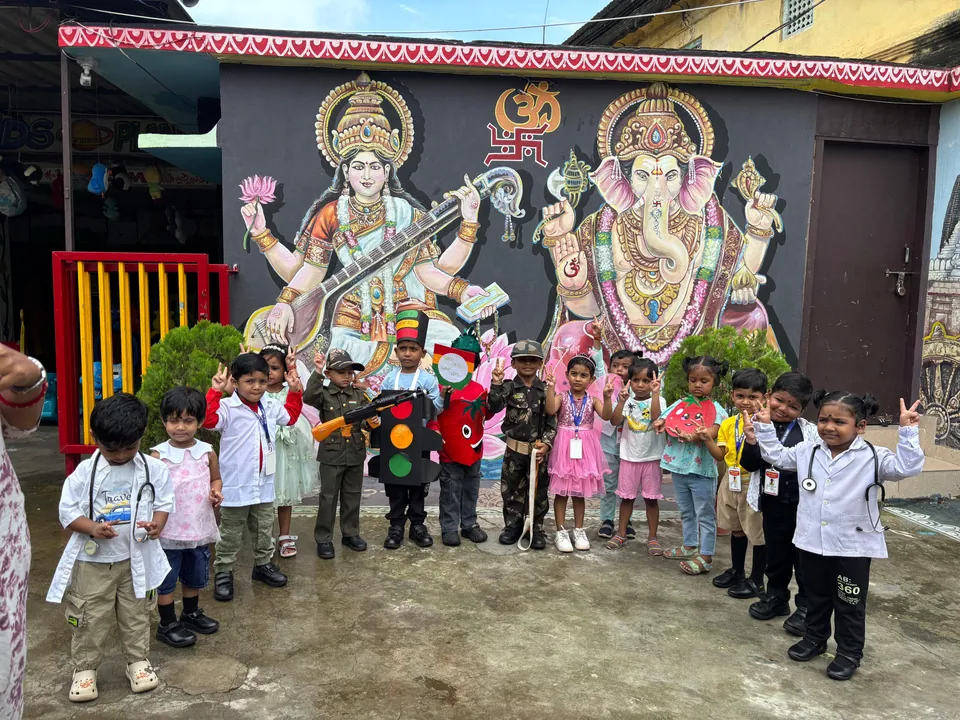
A combined arrangement can mean fewer journeys, familiar adults and a predictable setting across the day. It may suit a family that needs care beyond the preschool session. Ask how children move from class into daycare, what happens during the transition, how quiet time is offered and how staff notice when a child is tired. Consider your child’s age, temperament, sleep needs and the length of the day—not only whether the hours fit your calendar.
Questions to take on a centre visit
- Which ages and class groups are accepted?
- Which hours are preschool, and which are daycare?
- How are children supervised and adults assigned?
- How do you support a child who is new, upset or tired?
- Who may collect a child, and how is handover confirmed?
- How do you share daily updates or incidents with families?
- What are the arrangements for rest, water, food and medication?
- What do fees include, and what supplies or documents should we bring?
Look at the environment and the relationship
Notice whether adults are close enough to respond, whether children can reach books and open-ended play materials, and whether the space offers both active and quiet choices. Ask to see the routine rather than relying only on a brochure. Childcare.gov’s centre-visit checklist suggests observing how caregivers interact with children and asking about safety, learning materials and family communication.
A simple way to compare your options
Write down the hours your family needs, the time your child would spend travelling, and the parts of the day they find tiring or enjoyable. Then compare each centre’s actual timetable, handover process, rest opportunities, communication and total cost. A shorter session with a reliable routine may suit one child; another family may need extended care. Use your child’s response during a visit as one clue, then ask follow-up questions before deciding.
Preschool and daycare at Kids Planet

Kids Planet offers Preschool / Playgroup for ages 2–3, Nursery for 3–4, LKG for 4–5 and UKG for 5–6. School timing is 9:30 am–12:30 pm, and daycare is available from 8:30 am–7:30 pm. Families can read about the daycare facility and contact the school with their child’s age and preferred schedule. Current availability, fees, operating days, transport routes and meal arrangements should be confirmed directly with the school.
Before your visit, you can also use Childcare.gov’s childcare checklist to prepare questions.