
Family activities · Kids Planet
Quick answer: Pick one predictable screen-free moment, have the next activity ready, and start with a game your child already enjoys. These five ideas use ordinary things at home and work best when an adult joins for the first few minutes.
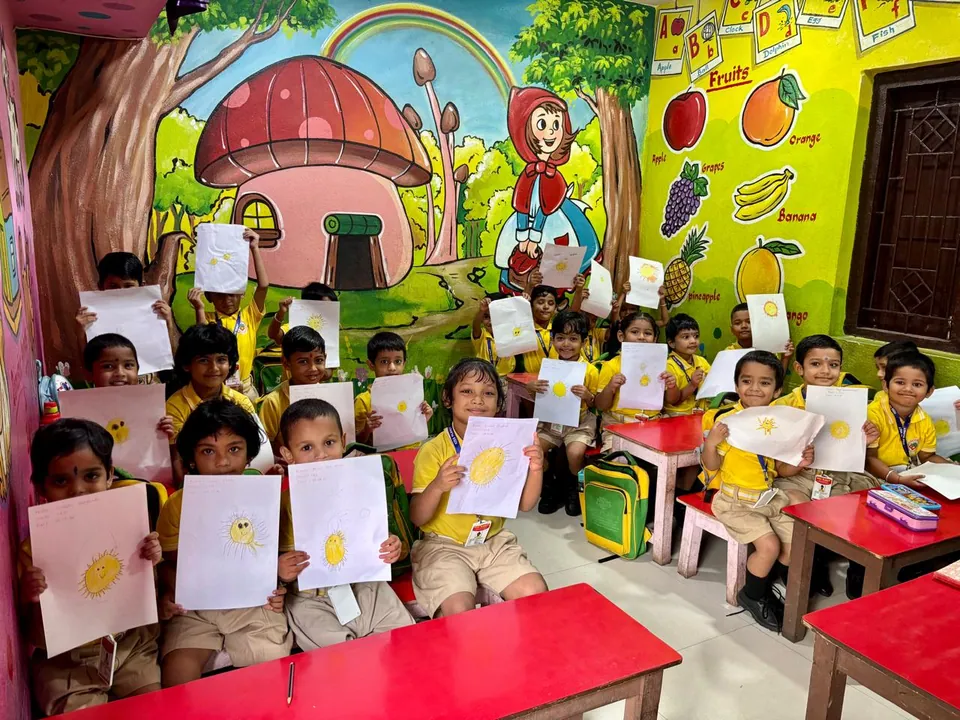
If a screen fills every quiet moment, switching it off can feel like removing a favourite activity with no replacement. Notice what your child enjoys—movement, a challenge, a story or a chance to unwind—and offer an offline activity that meets the same need. Play gives young children chances to practise language, imagination and turn-taking. It needs neither expensive toys nor a perfect lesson plan.
Make the screen-to-play transition predictable
Change one routine first: breakfast, after school or bedtime. Before screen time begins, say what comes next: “One episode, then we’ll make a treasure map.” Give a short warning, try a visible timer and put materials within reach. Expect protest; calmly repeat the plan and stay nearby. Choose screen-free meals or bedtime if they suit your family, and model the same rule. The American Academy of Pediatrics recommends a family media plan that protects time for sleep, play and connection.
Five games to try today
1. The five-object treasure hunt (10 minutes · no prep)
Use: five safe household objects. Hide them in one room and give one clue at a time: “Find something round near the sofa.” For a younger child, point to the first hiding place together. For an older preschooler, let them draw a map, make clues for you or sort the treasure by colour. Keep small objects out of reach of children who still mouth things. The game practises listening and noticing without turning the search into a test.
2. Story-in-a-bag (10–15 minutes · three objects)
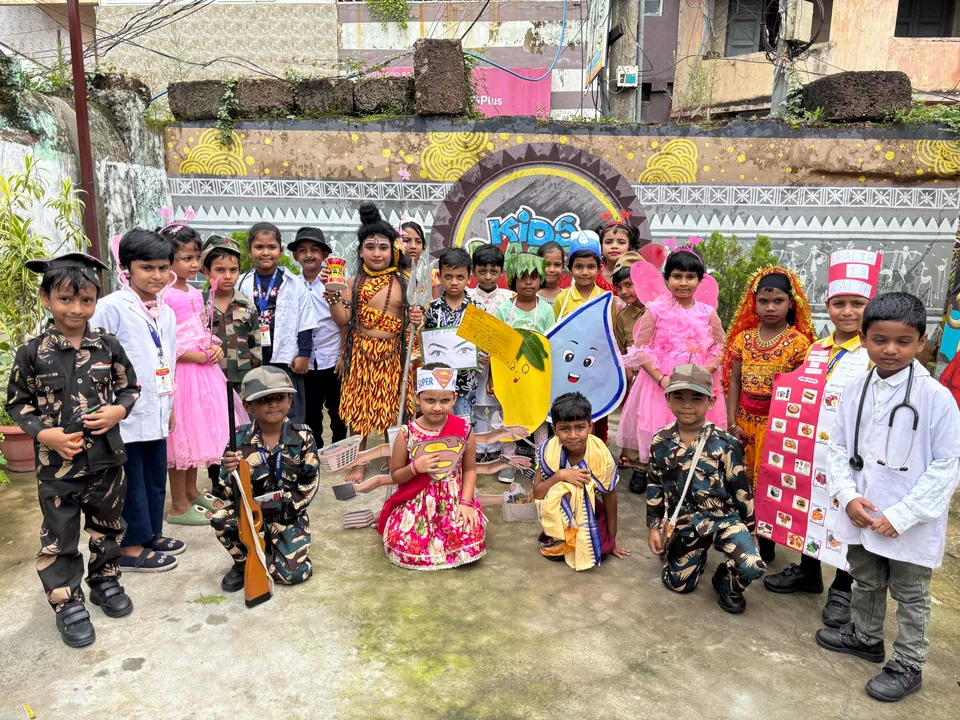
Use: a cloth bag and three familiar objects, such as a spoon, toy animal and scarf. Take one item at a time and invent a story together: “The little tiger found a spoon…” Pause so your child can choose what happens next. If they are shy, offer two choices; if they take over, follow their plot. This is an easy way to share conversation and imagination. There is no need to correct the story or make it educational.
3. Colour and shape detective (5–10 minutes · around the room)
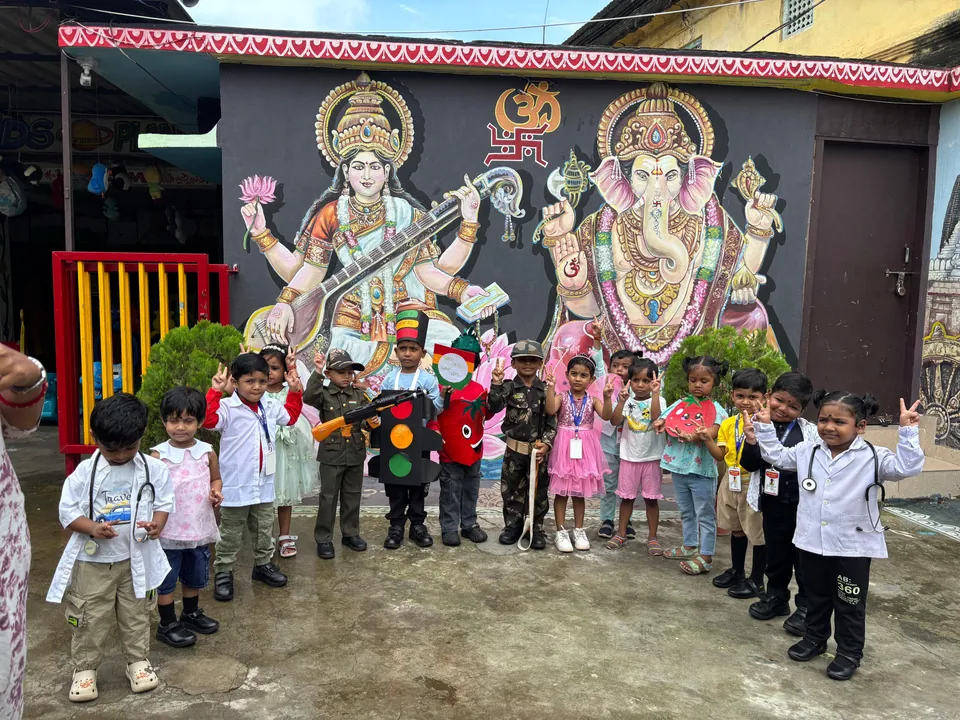
Use: objects already in view. Ask your child to find “three things that are blue,” “something shaped like a circle” or “two things that feel soft.” Count them together, compare which is bigger, then return them to their places. For younger children, search for one feature at a time. Older children can make the next clue. Avoid glass, hot items and anything unsafe to handle.
4. Cushion-and-tape movement trail (10 minutes · clear floor space)
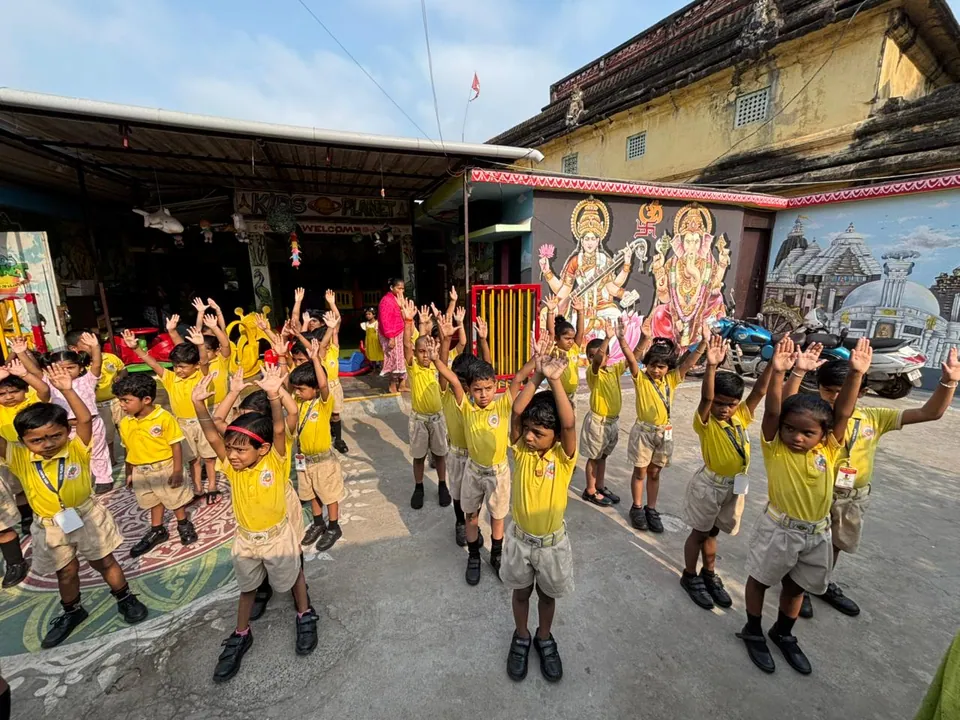
Use: cushions on the floor and a strip of painter’s tape. Make a simple route: step over the line, walk around a cushion, then freeze when you clap. Let your child invent a new movement for the next round. Keep cushions flat, furniture stable and the route away from stairs; supervise throughout. If space is tight, play “move like an animal” in one spot—stretch like a cat, flap like a bird, stomp like an elephant.
5. Pretend shop and delivery (15 minutes · household items)
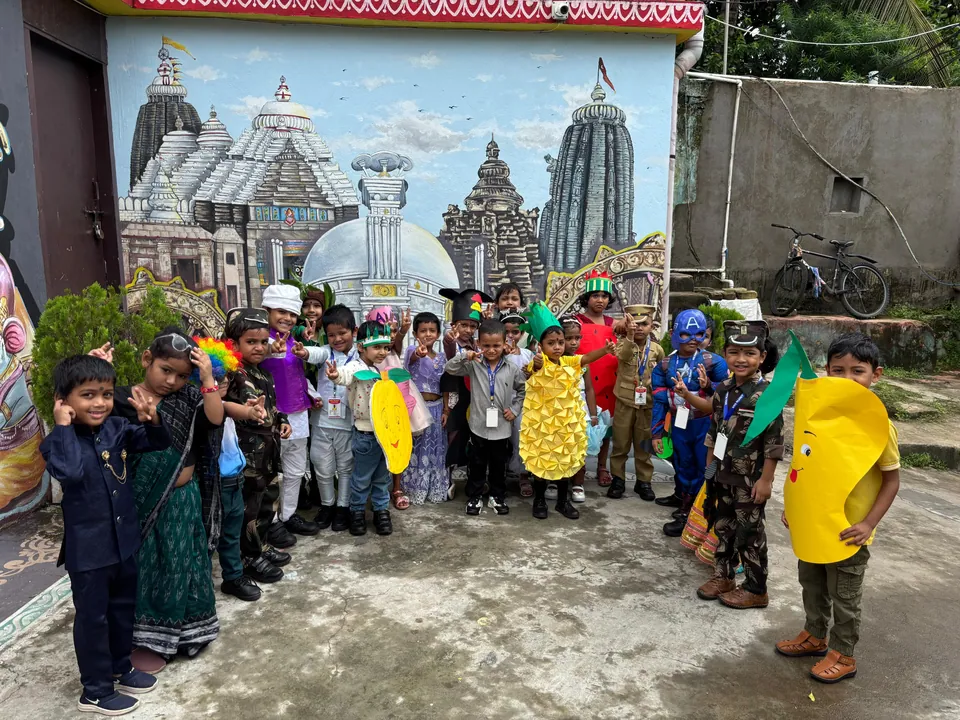
Use: blocks, toy food or clean containers. Your child can arrange a shop, choose what is “for sale,” make a delivery bag and swap roles with you. Count items, group them by type, or practise “May I have…?” and “Thank you.” For a younger child, keep it to choosing and handing over one item. For an older one, add a simple picture list. Let the play stay pretend—no need to introduce real money.
A gentle one-week starter plan
- Days 1–2: choose one screen-free meal or bedtime routine and explain it simply.
- Days 3–4: add a ready basket with paper, crayons, blocks, books or a puzzle; offer two choices.
- Days 5–7: repeat the activity your child liked, and let them choose or lead the next round.
Small, steady changes are easier to keep than a sudden ban. If your child becomes very distressed whenever a device ends, or screens seem to interfere with sleep, play or family routines, discuss your concerns with your paediatrician. For practical family guidance, read the AAP guide to making a Family Media Plan and its no-cost screen-free activities for preschoolers. Kids Planet uses stories, creative work, movement and shared play in its early-learning environment. See class age groups or learn about daycare.